

Before anything else, let me clarify: this article was written by me, an Argentinian living in Brazil. It inevitably carries the simplifications, omissions, and blind spots of a “gringo” perspective. With that disclaimer, and asking for permission to venture into this subject, I begin this reflection.
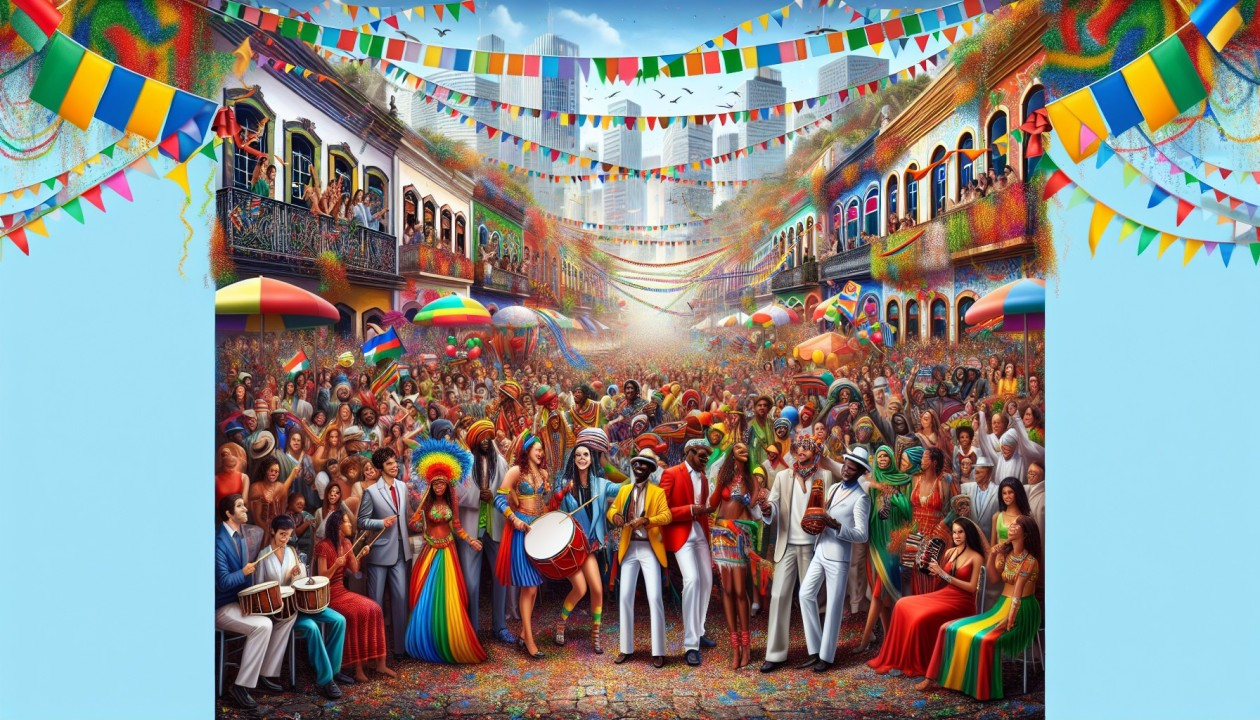
Carnival, one of Brazil’s most iconic celebrations, moves millions of people every year into the streets in search of culture, joy, and freedom. Beyond its vibrant spectacle, reflecting on the roots and meanings of this ritual matters — especially when we consider its parallels with organizations and society at large.
Originally a pagan tradition later absorbed by the Catholic Church as a pre-Lent practice, Carnival carries a unique symbolic weight. The very word — carnaval, from the Latin carne vale (“farewell to the flesh”) — suggests a temporary farewell to earthly pleasures before reflection and restraint. In Brazil, enriched by Portuguese, African, and Indigenous influences since the 16th century, Carnival became a kaleidoscope of rhythms and expressions: samba, frevo, maracatu.
But Carnival is more than celebration. As anthropologist Roberto DaMatta notes, it is a “social creation” that dramatizes Brazilian reality — exposing tensions between individual and collective, sacred and profane, self and other.
Carnival questions and subverts the social order: power, hierarchy, class, race, gender, law. In these days, everything is permitted, everything is possible. Equality, diversity, solidarity, freedom, creativity, and fantasy take center stage.
The connection with organizations is clear: they too are social constructions, built on rituals and symbols that communicate values and identities. Corporate rituals — onboarding ceremonies, recognition programs, celebrations — play a central role in shaping organizational culture.
Like Carnival, organizational rituals:
- Create and strengthen identity and belonging.
- Integrate and align members.
- Reinforce values and norms.
- Recognize achievements.
- Resolve crises and conflicts.
- Enable innovation and change.
Looking at Carnival through an organizational lens offers powerful lessons. Its creativity is fueled by a mindset free of fear, judgment, and perfectionism — exactly what we ask of employees when we speak of innovation. Its diversity and inclusivity mirror what organizations aspire to cultivate. Its natural solidarity — strangers connecting with shared purpose — embodies the collective spirit every company seeks.
Of course, there are contrasts. Carnival allows freedom; organizations constantly evaluate people on performance and results. That pressure activates beliefs around merit, identity, and worth, often suppressing authenticity. The paradox is clear: four days of costumes at Carnival, and the rest of the year wearing professional masks.
The question is: are we willing to remove those masks — to embrace diversity, creativity, solidarity, and joy — not just in Carnival, but in our organizations?
Carnival is not just a festival. It is a mirror of Brazilian cultureand a reminder that rituals, whether in the streets or the workplace, can inspire us to rethink meaning, identity, and how we connect.